It Turns Out That 5G Might Cause Cancer After All

5G Cancer
By Emma Fiala

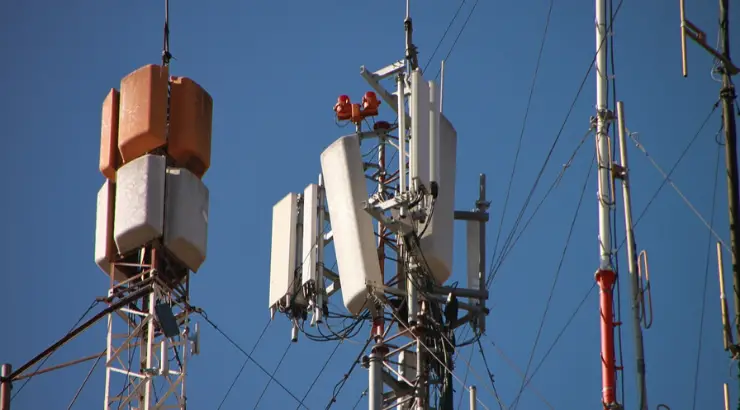
The 5G technology roll out is not without controversy. All across the globe people—including consumers, parents, scientists, and engineers—are demanding answers about and educating others of the risks of 5G.

In fact, nearly 200,000 people from 204 countries have signed an appeal to “stop the deployment of millions of 5G antennas on Earth and 50,000 5G satellites in space, and to secure emergency high-level meetings with officials in governments and international governmental organizations including the European Union, the United Nations, and the World Health Organization.

Next week an important lawsuit is set to go before the U.S. Court of Appeals for the Ninth Circuit. As TMU previously reported, the ruling will decide whether the Federal Communications Commission (FCC) can restrict just how much local governments charge wireless providers to attach small cells to city-owned infrastructure like light-poles. As it stands, thanks to a September 2018 ruling, local and state governments have limited time to approve or deny applications for installing these small cells and limitations on what they can charge carriers.

The FCC reportedly relies on a federal law banning state and local governments from prohibiting mobile carriers from offering services to a particular area. However, many see this being used as a loophole to further advance 5G with as little pushback as possible and there is ample evidence that local governments are finding themselves losing control of their local 5G roll out.

As previously reported by TMU, Danville, California Mayor Robert Storer admitted in March 2019 that the city council had “lost local control” of the 5G roll out. In an effort to stand up to the federal government and Big Wireless, the city council voted four to one to block Verizon’s permit. The council was successfully influenced by Danville citizens who brought forward their complaints and concerns about the health impacts of the proposed small cell site and other 5G infrastructure.

But because of the FCC’s own regulations, local governments are not allowed to consider health risks when making their decisions on 5G infrastructure. As it turns out, health risks—not small cell tower aesthetics—are the primary focus of opponents and critics of 5G not only in Danville but across the globe.

In fact in May of last year, the Louisiana House unanimously voted to have the Louisiana Department of Environmental Quality and the Department of Health study the effects of 5G on both the environment and on public health. And only one month before that a 5G pilot project in Brussels was halted out of fear negative health impacts on citizens.

I cannot welcome such technology if the radiation standards, which must protect the citizen, are not respected, 5G or not,” Environment minister Céline Fremault told Bruzz. “The people of Brussels are not guinea pigs whose health I can sell at a profit. We cannot leave anything to doubt.”

University of California, Berkeley, public health researcher Joel Moskowitz recently warned in Scientific American that we don’t fully understand the risks of 5G in an article titled “We Have No Reason to Believe 5G is Safe.”

Moskowitz notes that localities like those mentioned above are acting on sound scientific evidence, not merely conspiracy theories, and that those scientists who have engaged in research on the topic and thus sounded the alarm are being dismissed as fear mongers.

Based on scientific research, Moskowitz writes that more than 240 scientists who have researched the biologic and health effects of nonionizing electromagnetic fields (EMF) and published more than 2,000 papers and letters signed the International EMF Scientist Appeal calling for stronger EMF exposure limits. The appeal states:

Numerous recent scientific publications have shown that EMF affects living organisms at levels well below most international and national guidelines. Effects include increased cancer risk, cellular stress, increase in harmful free radicals, genetic damages, structural and functional changes of the reproductive system, learning and memory deficits, neurological disorders, and negative impacts on general well-being in humans. Damage goes well beyond the human race, as there is growing evidence of harmful effects to both plant and animal life.

According to Moskowitz:

The World Health Organization’s International Agency for Research on Cancer (IARC) classified RFR as “possibly carcinogenic to humans” in 2011. Last year, a $30 million study conducted by the U.S. National Toxicology Program (NTP) found “clear evidence” that two years of exposure to cell phone RFR increased cancer in male rats and damaged DNA in rats and mice of both sexes. The Ramazzini Institute in Italy replicated the key finding of the NTP using a different carrier frequency and much weaker exposure to cell phone radiation over the life of the rats.”

Nevertheless, the FDA reaffirmed the FCC’s 1996 exposure limits. In an April 2019 letter, the FDA told the FCC that they had “concluded that no changes to the current standards are warranted at this time,” and that “NTP’s experimental findings should not be applied to human cell phone usage.” The letter goes on to explain that “the available scientific evidence to date does not support adverse health effects in humans due to exposures at or under the current limits.”

Research is indeed lacking when it comes to 5G but this is because the technology is new and should therefore warrant study before being put to use. However, we do posses evidence that 2G and 3G can be harmful to human health and anecdotal evidence that 4G is harmful as well. Unfortunately, due to an unsurprising lack of government funding, studies into the effects of 4G exposure are lacking.

But even estimating the potential effects of 5G based on those of 2G, 3G, and 4G will result in accuracies as 5G is brand new—the technology uses millimeter waves for the very first time. And with the required increase in cell antennas needed for the technology to even work, more people will be exposed than ever before.

According to Moskowitz, short-term exposure to these millimeter waves “can have adverse physiological effects in the peripheral nervous system, the immune system and the cardiovascular system. The research suggests that long-term exposure may pose health risks to the skin (e.g., melanoma), the eyes (e.g., ocular melanoma) and the testes (e.g., sterility).”

It isn’t a stretch to say the potential effects of 5G technology are worth exploring before jumping into the 5G roll out head first. But it appears 5G is yet another example of consumers willingly trading in their health, privacy, or data for the sake of convenience and the latest technological advances without question.

If the 5G roll out proves successful without meaningful and thorough study of the health impacts as some are demanding, we may find ourselves inundated with a surge of cancers in the coming years followed by a surge of donations into the cancer treatment complex rather than an overhaul into the cause. But as long as our carsour hospitals, and our doorbells are connect to The Internet of Things who are we to complain?
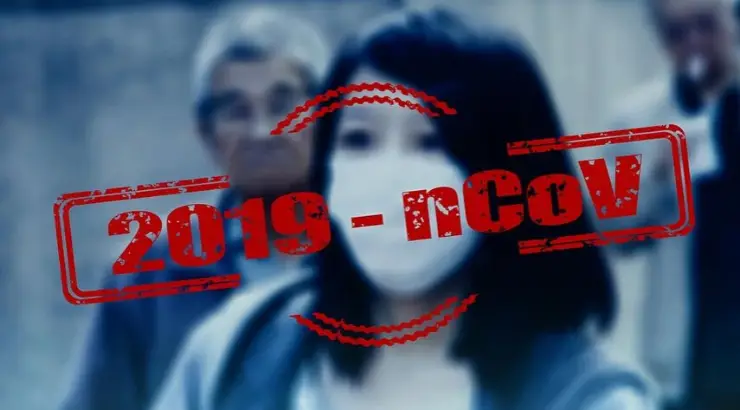
“I Am Not a Virus”: Outbreak Leads to Shocking Rise in Racism Toward Asian People

Racism Toward Asian People
By Elias Marat

As new cases of the novel coronavirus continue to emerge across East Asia as well as in Europe and North America, another pandemic with possibly more deadly implications has also swept across the globe: the revival of shockingly racist and vile sentiments targeting people of Chinese and East Asian descent in the form of false news reports and general hysteria.

On Thursday, the phenomenon took a heartbreaking turn when a Chinese man collapsed and died from a heart attack in Chinatown in Sydney, Australia. According to reports, onlookers ignored the 60-year-old man as he suffered, refusing to give him CPR and leaving him to die on the sidewalk out of fear that they would catch the coronavirus, according to the Daily Telegraph.

cool cool cool cool cool pic.twitter.com/GN3iKrn3SN

— Jackie Luo (@jackiehluo) January 26, 2020

And while the coronavirus reportedly originated in Wuhan, China, those far removed from the outbreak are feeling the devastating impact of the aggravated racism toward Asians.

South Korean newspaper Hankyoreh reports that in France, a Korean woman complained that she faced bigoted harassment multiple times thanks to the upswing in xenophobia. The newspaper reports that in a post to a South Korean online message board, the woman complained:

“An older man called me a ‘dirty Chinese [expletive].’ A guy who looked like a high schooler got in my face and told me to ‘get lost.’ I really lost it for a moment when a homeless person walking down the street even called me a [derogatory word for a woman].

Even when I explain I’m Korean, people tell me that all Asians should leave. I’d been afraid this might happen, but experiencing it personally has shown me how hard it is to bear such hatred. It makes me afraid to go to crowded places.”

Meanwhile, on France’s BFM TV, an Asian-descended French person complained:

“When I was coming out of a sports stadium in downtown Paris, a boy made fun of me by shouting, ‘Here comes the coronavirus.’”

The complaints come amid an outcry over a headline published last week in local newspaper Courrier Picard that read “Alerte jaune” (Yellow alert) and “Le péril jaune?” (Yellow peril?) alongside an image of a Chinese woman in a protective mask, harkening back to a racist early 20th-century concept of the so-called “Yellow Peril” pitting the so-called “civilized” white, Western world against the alleged “threat” posed by the peoples of the “orient,” or eastern Asia.

Cette leçon de racisme décomplexé vous est offerte par le @CourrierPicard #coronavirus pic.twitter.com/jhcoNmsmm5

— Madjid Messaoudene (@MadjidFalastine) January 26, 2020

The alarming rise in overt racist abuse across public transportation and social media in France has led to many Asians taking to social media using the hashtag #JeNeSuisPasUnVirus—or “I’m not a virus.

From Toronto to even as far as San Diego, Chinese-owned businesses have been sharply impacted. Even across Latin America, seemingly harmless memes about catching the coronavirus from Asian retailers like Chinese variety store Miniso or Korean counterpart Mumuso reflect the irrationality that has gripped the masses.

Every asians are not chinese, every chinese people isn’t affected by the virus you fucking racists #JeNeSuisPasUnVirus

— Sophy⁷ (@mochisoph) January 28, 2020

And while many scientists believe that there is a nexus between the coronavirus and animals, with many of those infected having worked in or shopped at a large meat market in Wuhan, a number of uneducated assertions and racist jokes have conflated the diets of Asians and Chinese with the outbreak.

In one clip posted to Twitter by the anonymous user @FreeMindHK, an Asian man can be seen eating live baby mice along with the caption:

“Chinese ‘delicacy,’ probably one of the causes for [the] emergence of #WuhanCoronavirus Source: telegram.”

However, Chinese social media users, including one who claims to reside in Wuhan, deny that live mice is a so-called “delicacy” and have also pointed out that there is nothing in the video that identifies the man as Chinese.

In my Chinese moms chat group, we discussed how to brace ourselves and the kids for the inevitable wave of racism coming our way as this unfolds.

Many of us have never even been to China but know we will not go unscathed. https://t.co/hz7YCPjyb5

— Terri Chu (@TerriChu) January 25, 2020

As James Palmer wrote in a widely-shared article for Foreign Policy magazine, while many Chinese people have a taste for dishes that seem abhorrent in the West—including exotic and wild animals believed to have medicinal properties, which the government has attempted to clamp down on in recent years—such tastes are hardly the norm. Indeed, as Palmer notes, many inside China joke about the Cantonese dietary habits of eating “everything with four legs save the table and everything that flies but the airplane.

Regardless, social media users—including commenters on posts by the Mind Unleashed—have been quick to point to groundless rumors, anecdotes, and social media posts to revive decades-old racist tropes about the “bizarre” and “disgusting” diets of Asian and Chinese people, or their supposedly “uncivilized,” “unevolved,” and “horrible” culture.

Dear the people of China,

Please stop eating bat soup, koalas and hamsters. It’s making us all ill.

Yours sincerely, The rest of the world.#coronarovirus

— Thompson (@thompson_1991) January 25, 2020

But while scientists are still struggling to find a cure for the coronavirus, there is an obvious cure to the shocking revival of anti-Asian discrimination across the West.

Whenever we see inaccurate stories or see racist tropes being trotted out in response to the virus, we should call this out for what it is: blind bigotry and ignorance that can result in tragedy for completely innocent people of Asian descent—including our friends, neighbors, and family members.

This is why people don’t take you seriously. “I, as American, don’t eat bats, therefore everyone else who does should stop because I, as an American, dictate the culinary culture of all of the planet.” Your self centered vantage point is myopic and immature.

— Alison (@alisongrippo) January 31, 2020

I really hate this. pic.twitter.com/yeF4M0GNzr

— emma (@bymyelf) February 1, 2020

Great News! Lungs Can “Magically” Heal Themselves If You Stop Smoking, Study Finds

Lungs Damaged by Smoking "Magically" Heal Themselves
By Emma Fiala

Forget everything you thought you knew about the effects of smoking. According to scientists, human lungs can “magically” repair themselves after even a lifelong smoker gives up on the habit.

We’ve all seen images of battered and severely damaged lungs thanks to cigarette smoking. For years it was generally accepted that the damage could lead to lung cancer and was permanent—even after quitting. While it has been well known that quitting smoking reduced the risk of developing cancer, scientists didn’t exactly know why, besides the obvious fact that you probably stop damaging your lungs as soon as you quit.

But according to a new study published in the journal Nature, people who had once smoked but quit had healthier lungs than current smokers and in turn those who had quit smoking had a lower risk of developing lung cancer. The surprising takeaway is that not only does quitting smoking stop you from further damaging your lungs, it also gives the remaining healthy cells a chance to replenish the lining of the lungs.

This unexpected effect was even observed in pack-a-day smokers who indulged in the bad habit for a whopping 40 years.

Dr. Peter Campbell, Head of Cancer, Ageing and Somatic Mutation at the Wellcome Sanger Institute told BBC News:

We were totally unprepared for the finding.

There is a population of cells that, kind of, magically replenish the lining of the airways.

One of the remarkable things was patients who had quit, even after 40 years of smoking, had regeneration of cells that were totally unscathed by the exposure to tobacco.”

Cancer begins when one cell mutates and manages to replicate itself without being attacked and stopped. The plethora of chemicals in cigarette smoke can be responsible for this dangerous mutation that transforms health lung cells into dangerous cancerous ones.

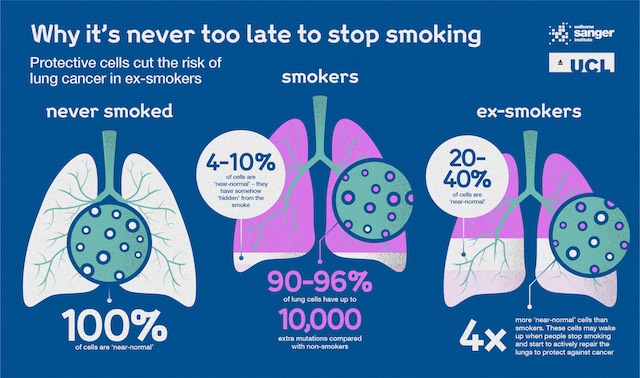
According to the study, these mutations are happening in the lungs of smokers even before they develop full-blown cancer. In fact, “The overwhelming majority of cells taken from a smoker’s airways had been mutated by tobacco, with cells containing up to 10,000 genetic alterations,” the BBC reports.

Dr. Kate Gowers, one of the study’s researchers, called these mutated cells “mini time bombs, waiting for the next hit that causes them to progress to cancer.” For a cell to transform completely into a potentially deadly cancerous cell, it needs to undergo five to ten mutations. When it does, the bomb goes off and that mutated cell progresses to cancer.

Thankfully, a small number of cells appear unaffected by the chemicals and it is these cells that are able to grow, replicate, and then replace the severely damaged cells in the lungs after someone stops smoking.

So how did the researchers know just what damage was caused by smoking and what was perhaps normal wear and tear on the cells or mutations caused by something else?

By sequencing the DNA of lung cancer cells in smokers and never-smokers, we know that smoking increases the number of mutations,” Sam Janes, Professor of Respiratory Medicine at UCL, and Dr. Peter Campbell wrote.

The chemicals in tobacco smoke cause a certain type of mutation. This creates a unique “signature” that is unlike the many other causes of damage to DNA, making it easier to find and track.

The researchers isolated normal cells from the airways of 16 study participants. They then grew those cells in an incubator in order to have enough DNA for sequencing. They found that mutations increased with age in the never-smokers group. Normal wear-and-tear accounted for 1,000-1,5000 mutations of normal lung cells. The cells from current smokers contained an extra 5,000 mutations, with some cells having as many as 10,000-15,000 mutations.

To verify the cause was indeed smoking, the researchers looked for the DNA signature mentioned above and they found it.

In ex-smokers, the researchers found two groups of cells. One included cells with mutations just like those found in current smokers but they also found completely normal cells with the same number of mutations found in those from the never-smokers group. These normal cells existed in ex-smokers at about four times the rate as they were found to exist in current smokers. And this finding was even present among ex-smokers who used to smoke a pack-a-day for more than 40 years.

While this news is both exciting and encouraging, it should not be used to encourage current smokers or would-be smokers to continue or pick up the bad habit.

While we now know that healthy lung cells are able to replicate and help heal damaged lungs, this new knowledge won’t help those whose cells mutate so much so that they develop lung cancer the day, week, month, or year before dropping the habit. The best way to protect from developing lung cancer is to stop smoking now, even if you’ve smoked a pack-a-day for 40+ years.

It’s never too late to quit.

Dr Rachel Orritt, Health Information Manager at Cancer Research UK, explains:

It’s a really motivating idea that people who stop smoking might reap the benefits twice over—by preventing more tobacco-related damage to lung cells, and by giving their lungs the chance to balance out some of the existing damage with healthier cells. What’s needed now are larger studies that look at cell changes in the same people over time to confirm these findings.

The results add to existing evidence that, if you smoke, stopping completely is the best thing you can do for your health. It’s not always easy to kick the habit, but getting support from a free, local Stop Smoking Service roughly triples the chance of success compared to going it alone.”

EPA Continues to Claim Glyphosate, the Main Ingredient in Roundup, Doesn’t Cause Cancer

EPA Glyphosate Cancer
By Derrick Broze

The U.S. Environmental Protection Agency (EPA) has reaffirmed their belief that glyphosate is not a carcinogen, despite initially concluding the chemical was probably carcinogenic.

On Thursday, the EPA concluded a regulatory review of glyphosate and found that the most widely used herbicide in the United States is not a carcinogen. While the latest review reaffirms the EPA’s previous stance on glyphosate, this conclusion marks the first time the EPA has expressed support for glyphosate after several lawsuits resulted in juries ruling that the chemical was in fact responsible for cancer.

EPA has concluded that there are no risks of concern to human health when glyphosate is used according to the label and that it is not a carcinogen,” the agency said in a statement. A Bayer spokesman told Reuters, “Glyphosate-based herbicides are one of the most thoroughly studied products of their kind, which is a major reason why farmers around the world continue to rely on these products.

Bayer bought Monsanto and their glyphosate-based product Roundup for $63 billion in 2018 and the company has publicly maintained that glyphosate is not carcinogenic.

The EPA’s ruling that glyphosate is not carcinogenic contrasts with a 2015 studyby the World Health Organization’s International Agency for Research on Cancer (IARC) which found that glyphosate may contribute to non-Hodgkin lymphoma. Aaron Blair, a scientist emeritus at the National Cancer Institute and lead author of the study, told Reuters at the time, “There was sufficient evidence in animals, limited evidence in humans and strong supporting evidence showing DNA mutations and damaged chromosomes.

The IARC report was published in Lancet Oncology detailing evaluations of organophosphate pesticides and herbicides. The report concluded that there was “limited evidence of carcinogenicity in humans for non-Hodgkin lymphoma.” The evidence for this conclusion was pulled from studies of exposure to the chemical in the U.S., Canada, and Sweden published since 2001.

The researchers found “convincing evidence that glyphosate can also cause cancer in laboratory animals.” The report points out that the EPA had originally classified glyphosate as possibly carcinogenic to humans in 1985. The IARC Working Group evaluated the original EPA findings and more recent reports before concluding “there is sufficient evidence of carcinogenicity in experimental animals.

Lori Ann Burd, director of environmental health for the Center for Biological Diversity, told Reuters that a connection between the Trump administration and Bayer/Monsanto “doesn’t change the trove of peer-reviewed research by leading scientists finding troubling links between glyphosate and cancer.” The cozy relationship between the U.S. government and the BioTech Industry (Monsanto, Syngenta) has been consistent during the Trump, Obama, Bush, and Clinton administrations.

During one of the recent lawsuits against Monsanto, the relationship between Monsanto lawyers and the EPA was made clear. As Alva and Alberta Pilliod fought to prove that Roundup caused their cancer, Monsanto spokesman William Reeves admitted the corporation has regularly communicated with U.S. regulatory agencies regarding reviews of the controversial Roundup herbicide.

During that trial, lawyers representing the Pilliods played video testimony of Reeves acknowledging that Monsanto executives exchanged text messages with regulators from the EPA. More specifically, Reeves was communicating with members of the board that glyphosate was not carcinogenic for humans. The lawyers also gained access to text messages between Monsanto employees and the EPA.

The text messages show that on June 18, 2015, Monsanto scientist Eric Sachs sent a text message to former EPA toxicologist Mary Manibusan looking for help finding a contact in the Agency for Toxic Substances and Disease Registry (ATSDR). Sachs was looking to communicate with someone in relation to the agency’s ongoing work developing a toxicological profile of glyphosate, Roundup’s main ingredient. The ATSDR had begun working on the profile after the World Health Organization’s International Agency for Research concluded that glyphosate was “probably carcinogenic to humans.”

In another text, Manibusan told Dan Jenkins, Monsanto’s liaison to U.S. regulatory agencies like the EPA, that he may need help “trying to do everything we can to keep from having a domestic IARC occur with this group,” in reference to the ATSDR. By June 23, 2015, Jenkins wrote to his Monsanto colleagues alerting them that Jack Housenger, director of EPA’s Office of Pesticide Programs, would put a hold on the report. “ATSDR Director and Branch Chief have promised Jack Housenger (Director of the US Office of Pesticide Programs) to put their report ‘on hold’ until after EPA releases its preliminary risk assessment (PRA) for glyphosate,” Jenkins wrote.

When questioned about these texts by the Pilliods’ lawyers, Reeves confirmed the text messages were authentic but stated, “I never heard anyone at the EPA say they were going to tell ATSDR what to do.”

When considering the EPA’s latest conclusion that glyphosate is not carcinogenic in humans, it is important to understand the full context of the relationship between Bayer/Monsanto and the government. The relationship goes back decades and should not be taken lightly.

As Reuters noted regarding the new EPA conclusion, “the EPA judgment could help bolster the case for Bayer as it faces thousands more lawsuits from Roundup users who allege it caused their cancer.” Knowing that the EPA and Monsanto are essentially on the same team, is it outlandish to think they might attempt to help Monsanto avoid more lawsuits and multi-million dollar settlements? The evidence makes it clear that Monsanto and government employees have often put their mutual interests ahead of those of the American public.

People Believe the Coronavirus and Corona Beer Are Related, Google Trends Show

Coronavirus and Corona Beer
By Elias Marat

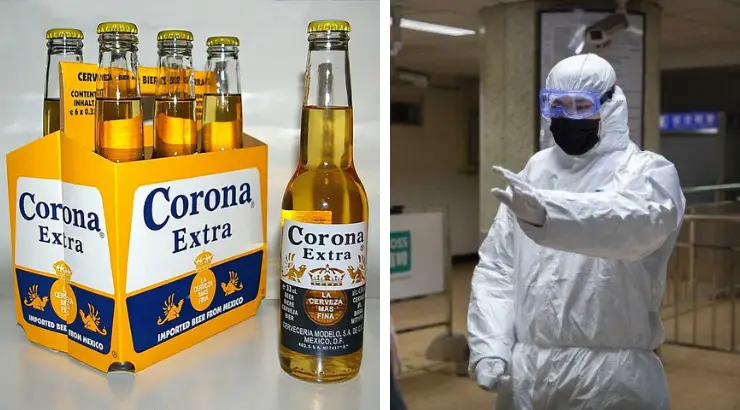
As authorities in China and across the world continue to struggle to contain an outbreak of the new novel coronavirus, curious internet users are wondering what the connection is between the deadly virus and Mexican beer Corona Extra.

Just to be clear, there is no connection between the Mexican pale lager and the outbreak—which has infected over 6,000 people in China and killed at least 132.

However, this hasn’t stopped online searches for “beer virus,” “corona beer virus,” and “beer coronavirus” from surging across search engines since January 18, according to Google Trends data.

Global search interest for “coronavirus symptoms” has spiked +1,050% this week. 😷 Here are the top searched questions in the past 24 hours.#coronavirus #GoogleTrends pic.twitter.com/bPVsL3hCYW

— GoogleTrends (@GoogleTrends) January 21, 2020

From Jan. 18 to Jan. 26, Google Trends found that “corona beer virus” searches climbed by 2,300 percent while searches for “beer coronavirus” jumped 3,233 percent. In the meantime, “beer virus” jumped by 744 percent.

It remains unclear whether internet users were searching for the many memes connecting the beer and the virus or if they were genuinely curious about any possible connection between the beverage and the outbreak.

Top countries that searched for “Corona beer virus” include Cambodia and Denmark, according to search engine data.

In Latin, the word “Corōna” means crown—a word that was carried into modern romance languages like Spanish, where corona also means crown. Corona beer originated in Mexico and is one of the top-selling beers worldwide and the top-selling imported beer in the United States.

In English, “corona” is also an anatomical term for those body parts that resemble a crown.

The term “coronavirus” originates from the fact that the virus has spikes that resemble those on a crown when viewed under a microscope.

the owner of corona beer when the scientist named the virus pic.twitter.com/k4cBsrH80p

— postoffice (@lilpostoffice1) January 26, 2020

The first case reported of the deadly virus emerged on December 8 in the central Chinese city of Wuhan. The virus has received widespread media attention including no shortage of hysterical and sensationalistic reports throughout January.

So far, the coronavirus has spread to at least seventeen countries.

According to Twitter user Joonas Tuhkuri, the stock price of Corona’s parent company Constellation Brands hasn’t been adversely affected by the outbreak—or at least not yet.

Corona Beer’s parent company stock has not declined in response to Corona Virus. pic.twitter.com/F7slJJTYm7

— Joonas Tuhkuri (@joonastuhkuri) January 28, 2020

Big Pharma Founder Gets 66 Months for Bribing Doctors to Over-Prescribe Deadly Opioids

John Kapoor Bribing Doctors
By Tyler Durden

Millions of Americans who lived through the financial crisis probably recall that not a single executive of a major investment bank was jailed in the aftermath, despite running organizations seemingly dedicated to perpetuating a criminal fraud on nearly every counterparty and client.

But when Americans look back at the opioid crisis, they’ll remember that at least one executive of a major opioid manufacturer and distributor was sentenced to a fairly weighty sentence – five-and-a-half years (66 months) in federal prison – for an illegal kickback scheme that effectively involved bribing doctors to prescribe potentially lethal doses of fentanyl. That’s right: Packaged under the name brand Subsys, Insys sold a painkiller made from the same ultra-powerful synthetic opioid responsible for tens of thousands of deaths across America.

According to the Financial Times, which, in partnership with PBS‘s Frontline, is producing a documentary on the opioid crisis, John Kapoor, the founder of Insys, was sentenced to prison time on Thursday after being prosecuted under the RICO act – a law adopted decades ago to help the DoJ prosecute the mafia.

Kapoor joins seven other Insys executives who have already received jail time for their role in the company’s illegal shenanigans, which included uses “ruthless” sales tactics to encourage doctors to prescribe more of their drug. Several doctors who took money from the company in exchange for kickbacks transparently disguised as speaking fees are also either being prosecuted, or have already been sentenced to jail time.

Earlier on Thursday, Alec Burlakoff, Insys’s former head of sales and one of the government’s key cooperating witnesses accepted a sentence of 26 months in prison. The jail sentences were handed down despite a long tradition of allowing big pharma to skate by with fines that often amounted to a slap on the wrist.

Subsys was approved by the FDA to target so-called “breakthrough pain”, something experienced by many patients with advanced cancer. But most of the doctors Insys targeted weren’t oncologists. The company encouraged them to prescribe the drug “off label” – meaning not for its approved purpose – to treat normal chronic pain.

Kapoor is a serial entrepreneur who immigrated to the US from India in his early 20s. The fentanyl spray that was the company’s main product was approved in 2012.

Under the company’s kick-back scheme, doctors who prescribed large quantities of the drug could earn up to $125,000 a year in speaking fees.

The company depended on sales associates whom Kapoor described as “PHD” – “poor, hungry and desperate” or “poor, hungry and dumb.” One of the sales reps who got mixed up in the prosecution was a former stripper, a detail from the investigation that was widely covered in the press.

Kapoor’s insistence that the company meticulously track the ROI from its illegal kickback scheme is what eventually did him in. Prosecutors managed to get their hands on a spreadsheet calculating the return on investment for every dollar spent on doctor “honorariums”. Kapoor insisted that, for every dollar a doctor received, they must bring in at least $2 in sales for Insys.

Kapoor’s legal team insisted that their client was unfairly portrayed as a “caricature of a mob boss” by the prosecution. But the firm’s “callous culture” was exemplified by a sales video featuring a “rapping bottle of Subsys” encouraging doctors to raise the dose for their patient’s – effectively encouraging them to accidentally overdose and kill their own patients.

Burlakoff, who played the rapping Subsys bottle in the video, told the press that the video was a big part of the incriminating evidence against him. He now regrets participating in it, even though he thought it was ‘cool’ at the time.

Fred Wyshak, the prosecutor who handled the Insys case, gained notoriety for prosecuting the mob, and having a hand in the conviction of Whitey Bulger, the former Boston crime boss who was murdered while serving a life sentence last year.

New Jersey Vaccine Exemption Bill Defeated With More on the Way

New Jersey Vaccine Exemption Bill
By Derrick Broze

On Monday, January 13, opponents of mandatory vaccination in New Jersey successfully defeated an attempt to change a policy that allows unvaccinated children to attend public school. The legislative effort was part of a broader movement around the United States that seeks to end vaccine exemptions for religious, medical, and personal reasons. 

New Jersey vaccine advocates and lawmakers have been working diligently in recent months to pass legislation to eliminate religious exemptions from childhood vaccinations. However, the latest bill failed due to pressure from parents and advocates who fear the potential risks of vaccinations are putting children in harm’s way.

During the final hours of debate on the rule change, hundreds of parents and vaccine choice advocates protested and rallied outside the New Jersey Capitol building. If the bill had passed, New Jersey would have been the sixth state to allow only medical exemptions from required vaccines. New Jersey state data show that the parents of nearly 14,000 students claimed religious exemptions last year.

Despite the latest failure, New Jersey State Senate President Stephen Sweeney said that the Senate is “ready to go to war” over the fight for vaccine exemptions. “We will pass this bill. This is about public health,” he said.

State Senator Loretta Weinberg (D), a cosponsor of the bill, said she understands the passion of those who oppose the bill. However, Weinberg says that “fundamentally this not a personal choice, and in society it is the duty of healthy members to work together to protect those who cannot protect themselves.

Indeed, new bills have apparently been introduced already. The Instagram account for the NJ Freedom Keepers stated, “A3818 & S2173 have been renamed, we now have S902 & A969! We do not know when they will vote on these bills. The first Senate session on the legislative calendar is February 10th and the first assembly session is February 24th.” The post claims that the language of the new bills is exactly like the previously amended bills relating to exemptions for public school children.

It’s clear that the battle between vaccine advocates and those with questions regarding vaccine safety is far from over. Lawmakers in ConnecticutIdaho, and Washington have also introduced legislation to overturn exemption laws. The debate around the exemptions brings up questions regarding individual liberties and the collective or public good. Opponents of mandatory vaccinations believe the liberties of the individual should be respected, while proponents believe public health overrides individual freedoms.

Despite being labeled under the general term “anti-vaxxers,” the community of parents and advocates who question vaccine mandates are a varied group with wide ranging views. While some opponents of vaccine exemptions oppose allvaccination mandates, others call for adjusting the mandated vaccine schedule, and still others support vaccinations but support individual choice as well.

In a recent opinion piece published on North Jersey, independent journalist Margaret Hetherman detailed these diverse views and some of the reasons parents are skeptical of vaccine safety. Hetherman explained:

Today’s CDC schedule calls for 54 vaccines by age 18 (or more, if adding flu shots or considering inoculations of DTaP and MMR as three separate vaccines each). If you can have a bad reaction to an aspirin, are parents wrong to consider risks and benefits as they would with any medical procedure? That doesn’t make them anti-vax; that makes them vaccine-sensible. Many people vaccinate their children but believe in informed consent — particularly for diseases that can’t be picked up by casual classroom contact.

Hetherman also discussed the National Vaccine Injury Compensation Program (VICP), which allows individuals to file for compensation when children experience adverse reactions. The program has awarded over $4 billion in compensation for injuries related to vaccines. The controversial program also shields vaccine manufacturers from liability when their products cause harm in children.

With such a complex topic, the heated debate over vaccines is sure to continue into 2020 and beyond. The Mind Unleashed will follow any relevant developments as they happen.

Video of the January 13 event was posted to Instagram:

MDMA Inches Away From Becoming FDA-Approved Pharmaceutical

MDMA
By Truth Theory

A set of clinical trials for MDMA, sponsored by the non-profit Multidisciplinary Association for Psychedelic Studies (MAPS) has now reached “Phase 3,” which brings the substance just a few steps away from getting approved by the US Food and Drug Administration (FDA).

Only drugs that show promising results during Phase 1 and Phase 2 trials are considered for Phase 3 trials. According to MAPS, their Phase 2 trials involved 107 subjects with PTSD, and they saw incredible results from the study. After just three sessions of MDMA-assisted psychotherapy, 61% of the participants were no longer showing major symptoms of PTSD when they were evaluated two months after their treatment, and that number jumped to 68% after 12 months.

All of the participants in the study had very severe  “treatment-resistant PTSD” that they lived with for an average of 17.8 years.

Brad Burge, director of strategic communications at MAPS, told Forbes, “We’re literally rewiring neural connections in the brain. If you look at what MDMA and other psychedelics do, they’re encouraging neuroplasticity. So they encourage neurons to make new connections, to get out of the old connections and to make new ones.”

Associate Social Worker Ashley Booth, who helped facilitate the Phase 3 trials, says that the MDMA allowed the patients “to look at trauma in their lives without being re-traumatized.”

“It’s common for people who’ve had a trauma to take on responsibilities, like ‘I shouldn’t have walked down that alley, or talked to that person. MDMA has psychoactive properties that lower activity in the amygdala, which is the fear center of the brain, and allows people to look at themselves from a more empathetic perspective,” Booth says.

MDMA is still a schedule 1 drug that is heavily prohibited by the US government. Until recently, the substance has been popularly known as a recreational club drug called “ecstasy,” but studies in recent years have shown its incredible potential as a tool for therapy.

Additional clinical trials are currently taking place at 15 research sites, including Boston, Montreal, Charleston, San Francisco, and Tel Aviv.

Design a site like this with WordPress.com
Get started